



Ibiza isn’t subtle about nightlife. The island built its identity around sound systems, residencies, and sunrise endings. But not every venue justifies the ticket prices, the queues, or the reputation.
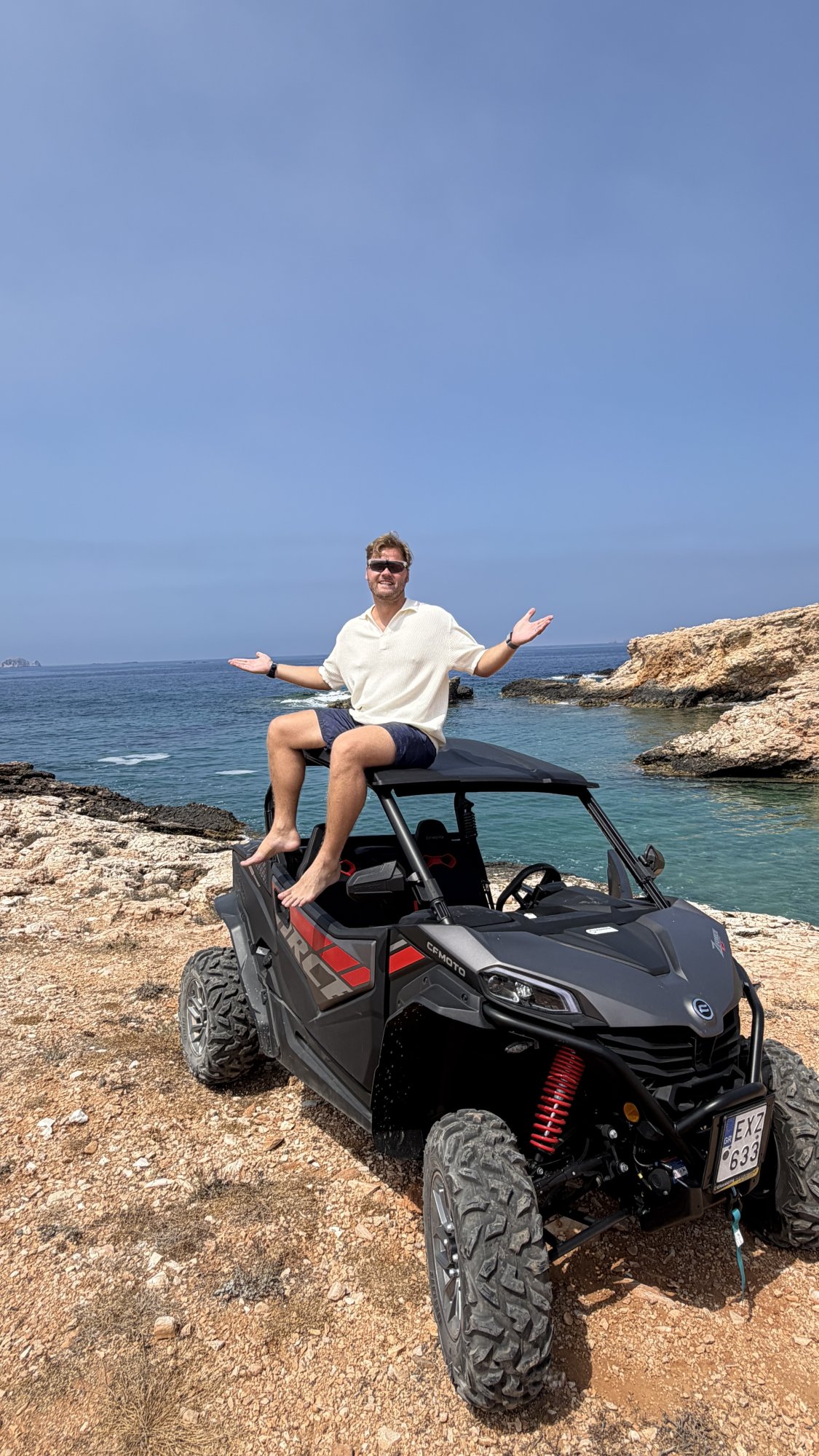
After visiting 117 countries and evaluating nightlife scenes globally, I can say these eight Ibiza clubs actually deliver on production, crowd energy, and atmosphere. They’re hyped, but for a reason.
1. Ushuaïa Ibiza
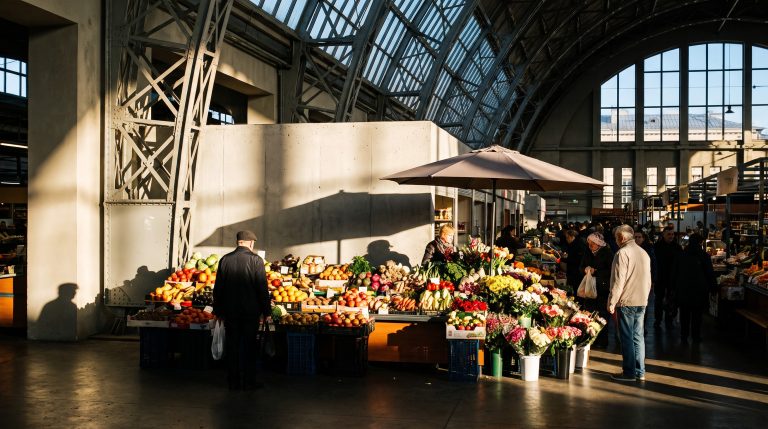
Ushuaïa is a daytime-to-sunset open-air superclub that feels more like a festival stage than a traditional venue. Massive LED screens, poolside dance floors, and high-profile DJ residencies define the space. The production level is intense, synchronized visuals, CO2 blasts, and large-scale crowd moments. VIP areas overlook the main stage, reinforcing a layered social hierarchy. It’s polished and loud, but visually unforgettable. If you want scale, this is it.
2. Hï Ibiza
Located across from Ushuaïa, Hï Ibiza represents the next generation of indoor superclubs. Multiple rooms offer different sonic atmospheres, from high-energy main room sets to more intimate side spaces. The lighting system is precise and immersive. Sound quality is consistently strong. Crowd density peaks late, often after 2 a.m. It feels engineered for modern club culture.
3. Pacha Ibiza
Pacha carries legacy. The iconic cherries logo is part of Ibiza’s history. The venue balances classic house music with contemporary bookings. Compared to mega-clubs, it feels more intimate. The dance floor energy builds steadily rather than explosively. It’s less about spectacle and more about heritage. If you want tradition with credibility, Pacha delivers.
4. DC-10 Ibiza
DC-10 leans underground. Located near the airport, the venue feels industrial and raw. Famous for its Circoloco parties, it attracts a more music-focused crowd. Lighting is minimal compared to Ushuaïa, and that’s intentional. The energy here feels less staged, more organic. It’s chaotic in a controlled way. Among Ibiza clubs, this one keeps its edge.
5. Amnesia Ibiza
Amnesia blends indoor main-room intensity with a semi-open terrace space. Foam cannons, large-scale lighting rigs, and international residencies define its peak nights. The terrace especially creates strong crowd connection. It’s not subtle, it’s full-impact. The venue has hosted some of Ibiza’s most legendary nights. It still holds its relevance.
6. Destino Ibiza
Destino offers a more elevated, hillside party experience. Open-air views overlooking the Mediterranean add visual depth. It feels curated rather than chaotic. Crowd capacity is smaller than superclubs, which increases exclusivity perception. The sunset transition into night feels cinematic. It’s less about mass and more about positioning.
7. Blue Marlin Ibiza
More beach club than traditional club, Blue Marlin transitions from daytime luxury to after-dark energy. The setting on Cala Jondal gives it strong coastal atmosphere. The crowd skews upscale and international. It’s social, high-visibility, and image-driven. You come for atmosphere as much as music. It’s a different kind of hype.
8. Eden Ibiza
Located in San Antonio, Eden has re-positioned itself with stronger lineups and upgraded production. It offers a more accessible entry point compared to some of the island’s highest-priced venues. The crowd skews younger, but the sound system is strong. It feels less polished than Hï but more intense than beach clubs. It balances energy and affordability.
What separates Ibiza clubs from nightlife in other global destinations? Scale and legacy. The island has decades of cultural credibility behind it.
In my opinion, Ibiza works best when you mix environments, one superclub night, one underground session, one open-air sunset party.
If you want to see how I evaluate nightlife scenes globally and which venues genuinely justify the hype, follow me on Instagram @maxzaharenkov. I document real travel insights from 117 countries, and counting.