





Most people sail this route the other way. I did it in reverse — starting in Iceland’s steam and ending in a Norwegian fjord — on a small expedition yacht built for 196 guests. Here’s what the northern edge of Europe looks like from the water.
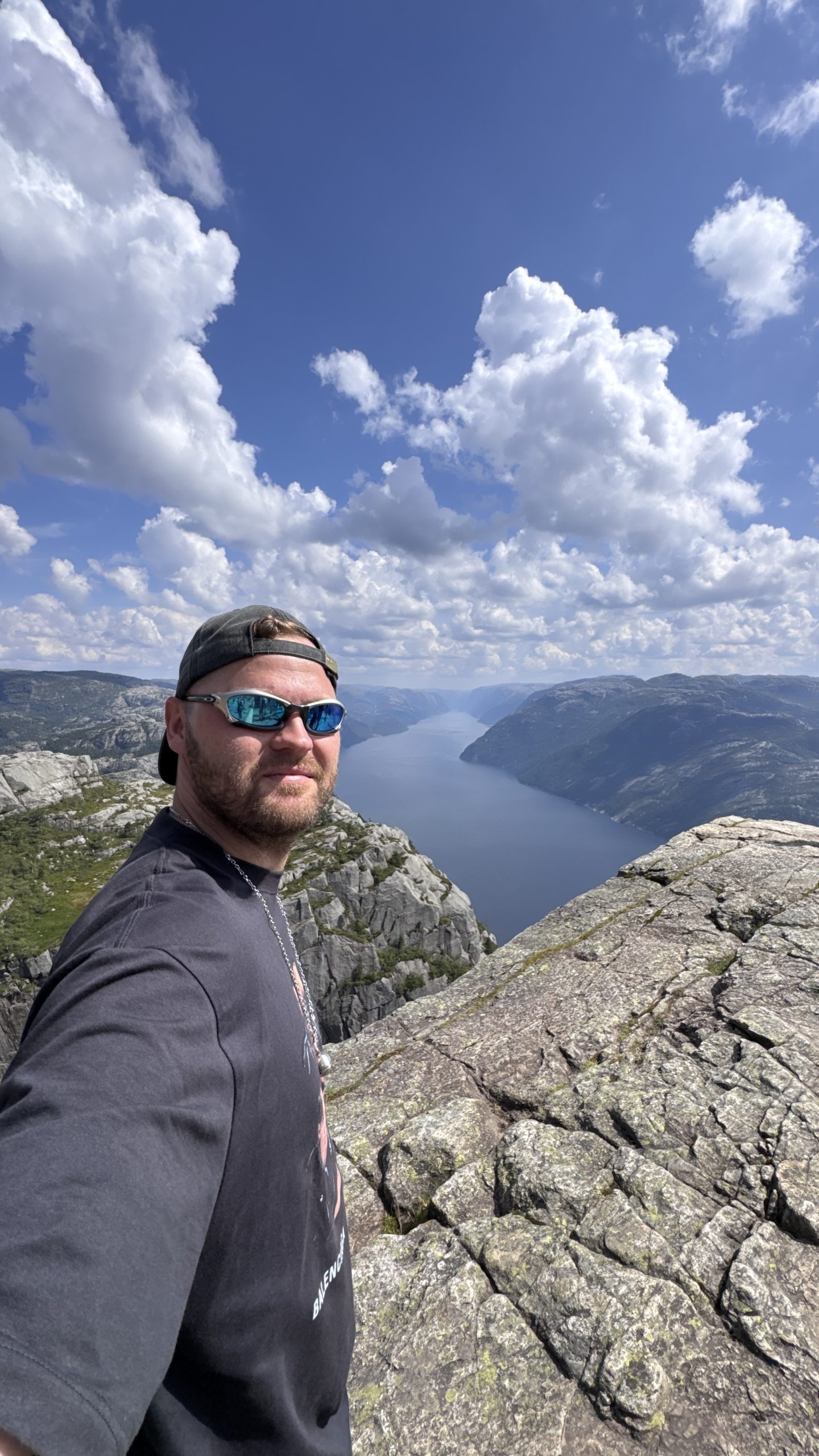
The itinerary as it’s sold runs Oslo to Reykjavík. I flew into Iceland and ran it backwards — Reykjavík to Oslo — which turns out to be the better story. You start in raw volcanic country and finish in a polished Scandinavian capital, so the whole trip is a slow fade from wilderness to city rather than the reverse. Eleven nights. One small yacht. The entire northern coast of Iceland, a Scottish archipelago most people never reach, and two Norwegian ports on the way in.
I book my expedition travel through The Polar Travel Company, and this one sailed on Atlas Ocean Voyages’ World Navigator — a 196-guest expedition yacht, not a cruise ship. That distinction matters more than it sounds, and I’ll come back to it.
Reykjavík: starting in the steam
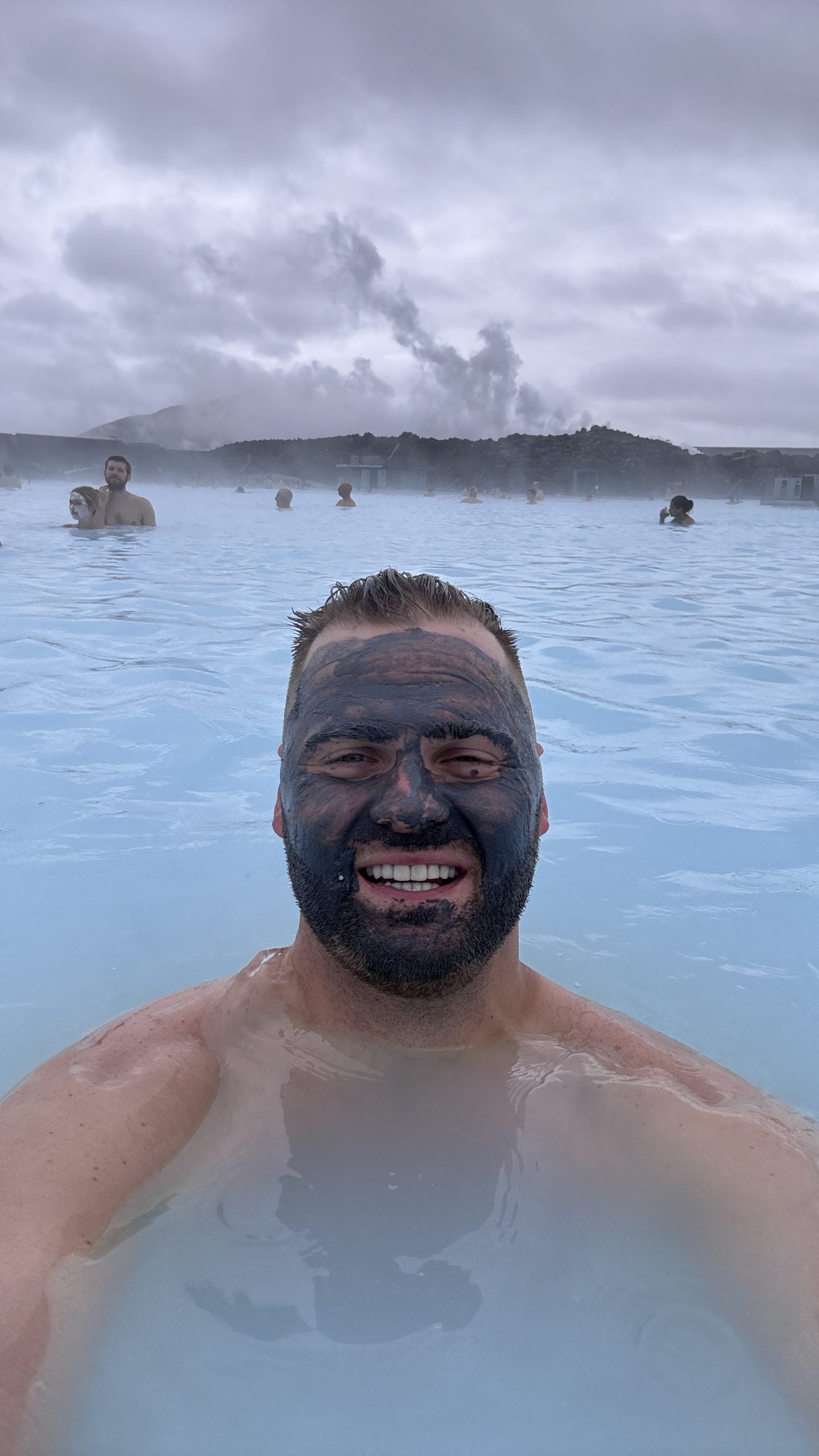
Every Iceland trip should start the same way: get off the plane, and get straight into the water. The Blue Lagoon sits between the airport and the city, so before I’d even seen Reykjavík I was neck-deep in milky geothermal water with a silica mask on, steam rolling off a lava field behind me. It resets you. Whatever time zone you left, you arrive properly once you’ve done that.
Reykjavík itself is small, walkable and sharper than its size suggests — good coffee, better design, and a harbour that reminds you the whole country runs on the sea. But the city was the doorway, not the destination. The point of this trip was everything north and east of it.
The Westfjords and the Arctic Circle
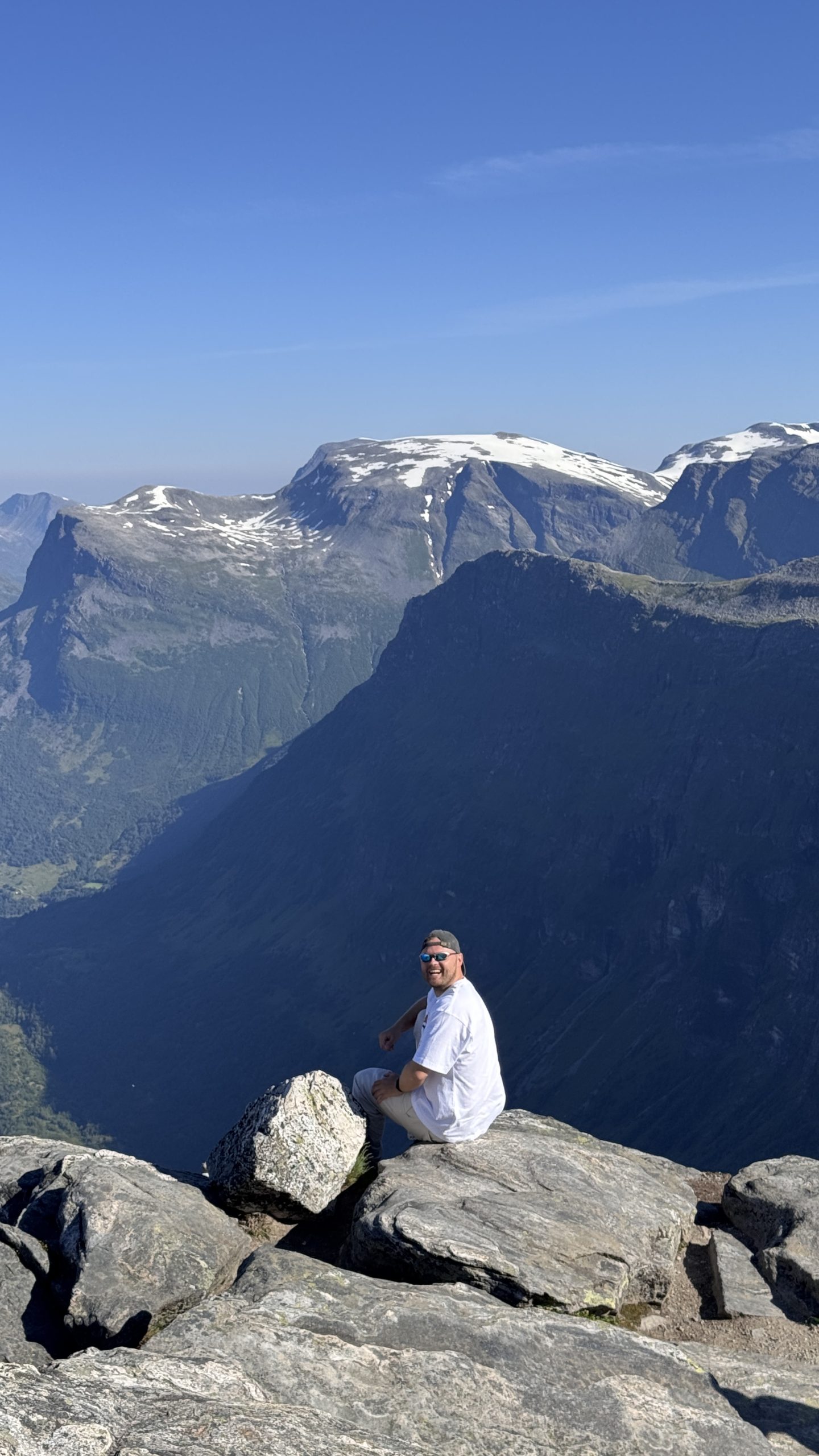
From Reykjavík the yacht works its way up into the Westfjords — Ísafjörður, a fishing town wrapped in flat-topped mountains, with the famous “troll seat” scooped out of the ridgeline above it. It’s the kind of place that feels undiscovered because it mostly is. Cool air, quiet water, a brewery running on spring melt.
Then the milestone: crossing the Arctic Circle near Grímsey, the only inhabited piece of Iceland that sits inside it. There’s a stone sphere on the island marking the line — and because the true Arctic Circle drifts year to year, they built the marker so it can actually be moved to stay honest. A hundred people live there. Something like a million birds don’t pay rent.
Akureyri, Húsavík and the north coast
Akureyri is the capital of the north and the one stop with two full days, which it earns. The church looks like a 1920s American skyscraper dropped into Iceland; inside it there’s a 3,200-pipe organ. Fifty kilometres south there’s a botanical garden that has no business being that lush this close to the Circle. And yes — there’s a beer spa, which is exactly as ridiculous and as good as it sounds.
Húsavík, a little further round, calls itself the whale capital of Iceland and backs it up. Skjálfandi Bay is thick with them in summer, plus an Atlantic puffin colony doing its clownish thing on the cliffs. When you’re done on the water, the GeoSea baths sit right on the edge of the bay — geothermal water, open sea in front of you, nothing else needed.
You stop measuring the days by the clock and start measuring them by what the light is doing. In an Arctic summer the light basically never stops.
Seyðisfjörður on the east coast is the one every photographer already has saved somewhere — the rainbow-painted street leading straight to a little blue church, waterfalls stacked up the valley behind town. Seven hundred people. It’s the prettiest thing on the itinerary and it knows it.
Life aboard World Navigator
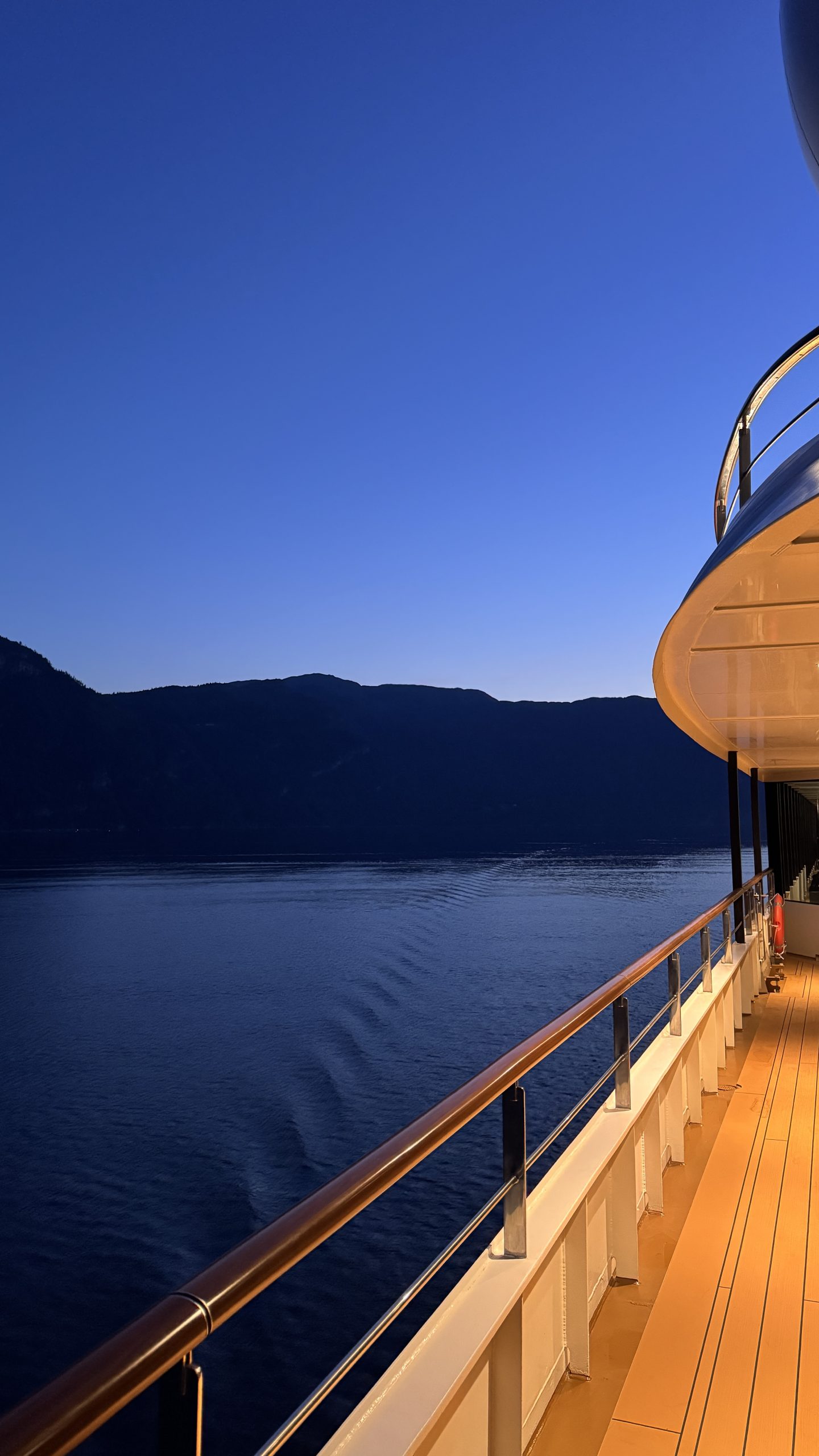
Here’s where the “yacht, not cruise ship” line pays off. World Navigator carries 196 guests. There’s no waiting for anything, no fighting for a lounger, no queue to get ashore. Teak decks, an all-suite layout, and the kind of quiet that only comes from a small passenger count. Mornings I’d take a coffee out onto the deck and just watch the fjord walls slide past — no schedule, no notifications, green cliffs an easy stone’s throw off the rail.
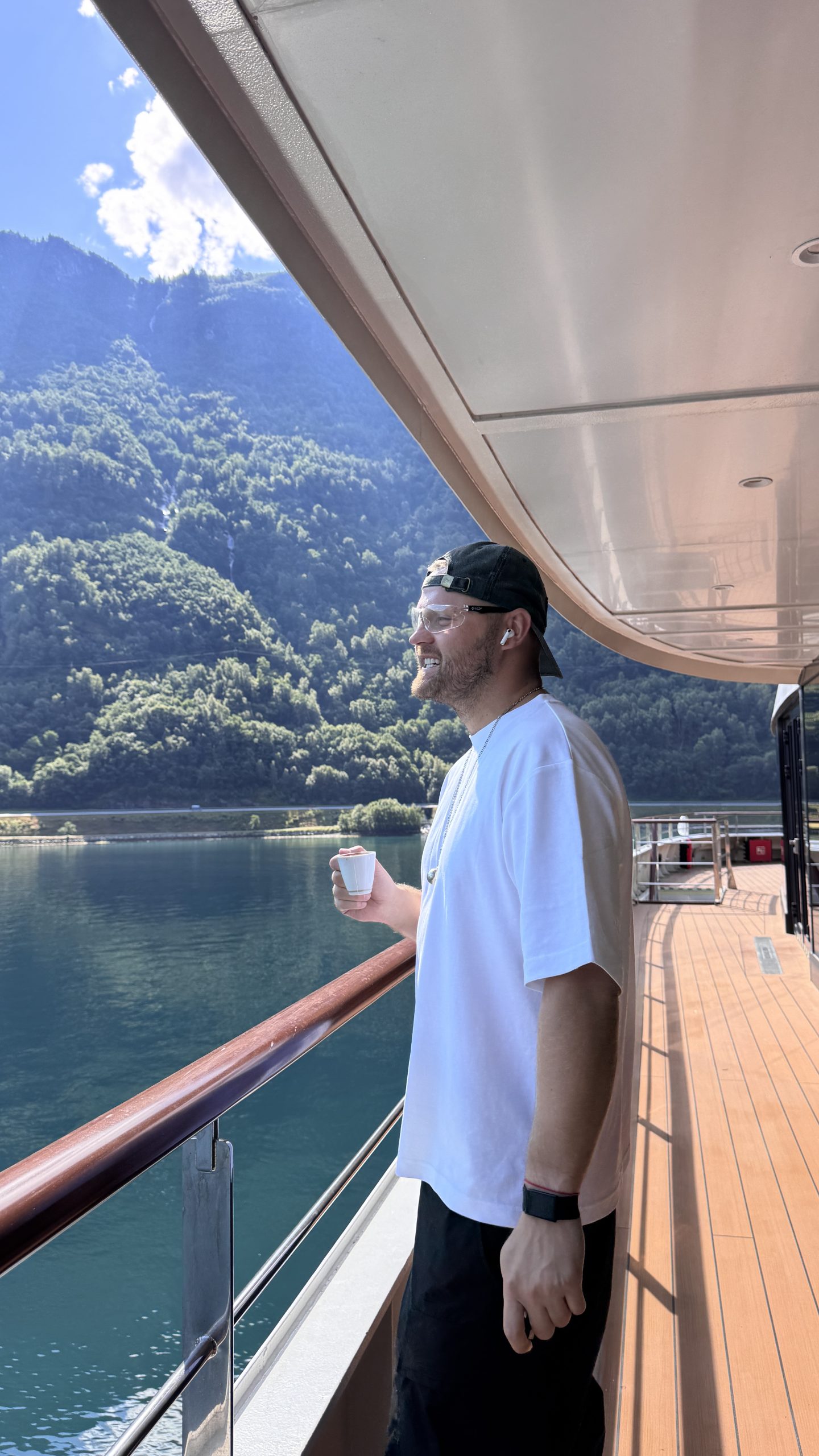
It’s also a genuinely good platform to shoot from. Small ship, low decks, close to the water — you’re not looking down twelve storeys at a smudge of coastline, you’re right in it. Half the footage I came home with was shot from the rail or off the back of the boat as we came into port.
Crossing to Scotland, then into Norway
Leaving Iceland there’s a proper sea day — the good kind, where the point is to do nothing — before Kirkwall in the Orkney Islands. Orkney was the centre of Norse culture a thousand years ago and it still feels it: a 300-year-old Viking-built cathedral, and the Ring of Brodgar and Standing Stones of Stenness, which predate the pyramids and stand there in a field like it’s no big deal.
Another day at sea and the landscape changes character completely — Norway. Kristiansand on the Skagerrak strait, with its perfectly grid-planned old town of white timber houses, then finally Oslo: green, modern, all clean architecture and waterfront. Ending in a capital after eleven days in the wild is the right way round. You come back into the world gradually instead of all at once.
Would I do it again — and how to book it
Yes, and in the same direction. Reykjavík to Oslo takes you from the most elemental landscape in Europe to one of its most refined, and the small-ship format is what makes it feel like an expedition instead of a holiday.
I arranged this through The Polar Travel Company — a specialist team who’ve spent 20+ years working the polar regions as expedition leaders and naturalists, not just selling cabins. This Iceland-to-Norway sailing is one small corner of what they do. They run the full Arctic — Greenland, Svalbard, the Northwest Passage, Norway and the northern lights, even trips to the North Pole — and they’re one of the best routes to Antarctica, from fly-and-cruise crossings of the Drake to South Georgia, the Falklands and the Antarctic Peninsula. If the far north or the far south is anywhere on your list, start on their website.


