




Some landmarks are famous because they’re recognizable. Others are unforgettable because they redefine scale. The landmarks every human should see once are not just visually impressive, they represent civilization, ambition, and legacy.
After visiting 117 countries, I’ve learned that certain places stay with you long after the photo is taken.
Here are ten that truly earn their global status.
1. Pyramids of Giza
Standing at the base of the pyramids shifts your perception instantly. The scale is far greater than most expect. Built over 4,500 years ago, their precision still feels improbable. The desert setting enhances isolation. It’s one of the clearest examples of landmarks on this list.
2. Great Wall of China
The Great Wall stretches across mountain ridges in dramatic fashion. Walking along restored sections reveals its vastness. It’s less a wall and more a defensive network. Built across dynasties, it reflects long-term ambition. The landscape integration is striking.
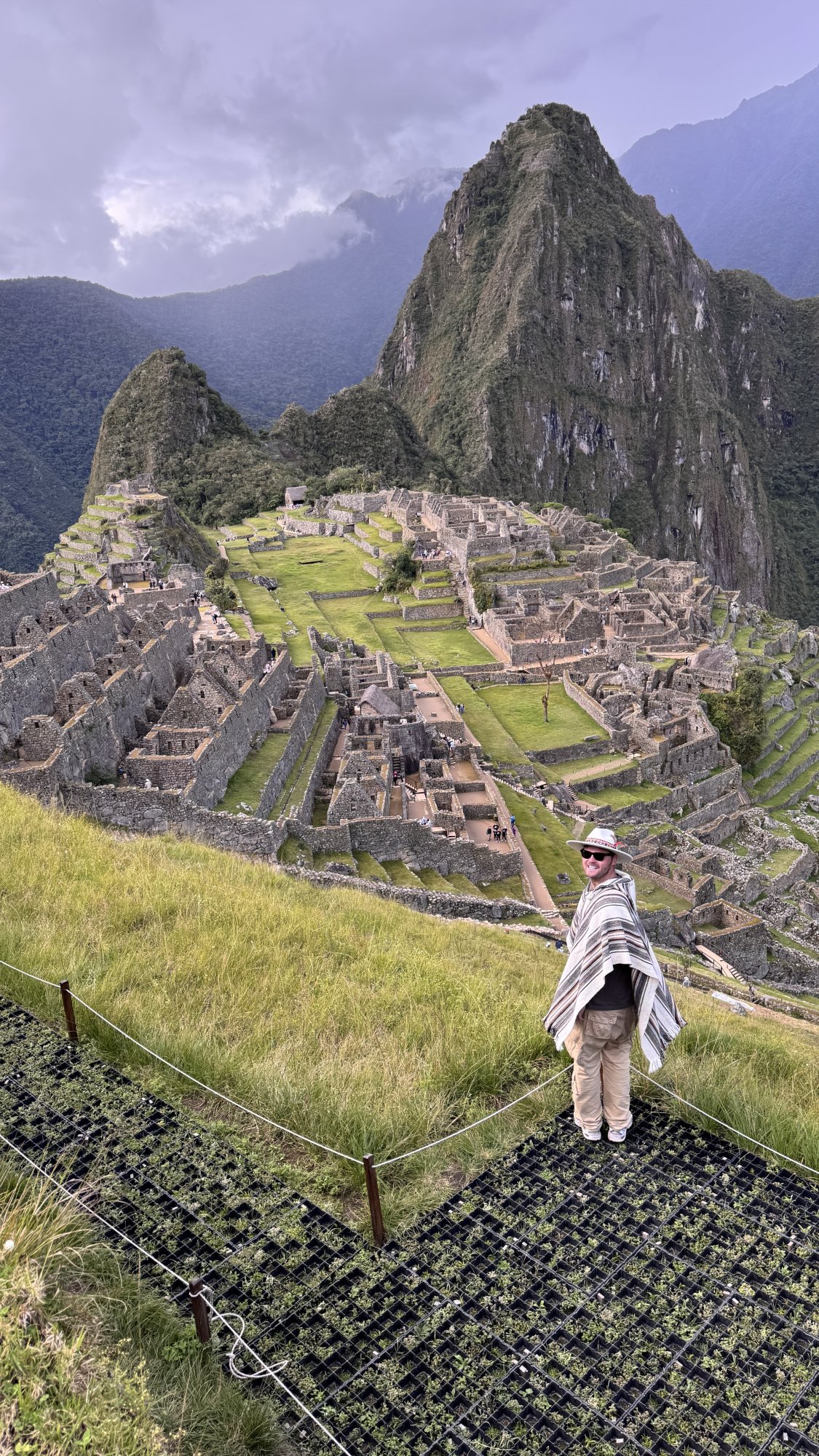
3. Machu Picchu
Hidden high in the Andes, Machu Picchu blends architecture with environment. The surrounding peaks amplify its mystique. Terraces remain structurally intact centuries later. Morning mist adds atmosphere. The journey itself adds weight to the experience.
4. Taj Mahal
The Taj Mahal’s symmetry defines its impact. White marble changes tone depending on light. Reflection pools create visual balance. Built as a monument to love, it combines emotion and engineering. It feels both intimate and monumental.
5. Colosseum
The Colosseum represents ancient entertainment at massive scale. Its arches remain instantly recognizable. Walking inside reveals structural sophistication. It once held tens of thousands of spectators. The contrast with modern Rome is powerful.
6. Petra
Approaching Petra through the narrow Siq builds anticipation. The Treasury emerges suddenly and dramatically. Beyond the façade lies an expansive archaeological site. The rose-colored stone shifts throughout the day. It feels cinematic yet historic.
7. Angkor Wat
Angkor Wat unfolds gradually in scale. Carvings line its walls with intricate detail. Sunrise silhouettes create depth. The temple complex extends far beyond the central structure. It reflects architectural ambition and spiritual history.
8. Eiffel Tower
The Eiffel Tower’s lattice structure looks delicate from afar. Up close, its engineering becomes clear. Illumination at night transforms the mood entirely. The surrounding city enhances its scale. It remains one of the most culturally symbolic structures on Earth.
9. Statue of Liberty
The Statue of Liberty stands as a global symbol of migration and freedom. Approaching by boat adds context. The copper surface feels textured and aged. Its placement at the harbor amplifies meaning. It carries emotional weight beyond architecture.
10. Christ the Redeemer
Overlooking Rio de Janeiro from Corcovado Mountain, this statue blends faith and geography. The elevation enhances visual drama. The panoramic view adds perspective. Its presence dominates the skyline. It’s iconic for both scale and symbolism.
What defines landmarks every human should see once? Endurance and cultural resonance.
In my opinion, the greatest landmarks are not just historical, they continue to shape global identity.
If you want to see how I evaluate world icons across 117 countries, and which ones truly exceed expectations, follow me on Instagram @maxzaharenkov. I document real travel insights, and counting.