





Three months after my quick March hit of Shanghai, I’m back in China, this time for two proper weeks. The 72-hour trip answered nothing and raised everything; this one is about going deeper.
The Speed Isn’t a Cliché
Every article about China mentions the pace of change, so I expected to be numb to it. I wasn’t. Even between March and June, storefronts had turned over, new towers had topped out, and features had appeared in apps I’d only just learned. The country ships updates the way others ship quarterly reports.
Cashless Is Not a Buzzword, It’s the Floor
In two weeks I touched physical money zero times. Street food, temples, taxis, a bottle of water from a village shop, everything runs through a QR code. As a foreigner in 2026 this is finally straightforward (the tourist onboarding in the big payment apps genuinely works now), but come mentally prepared: your credit card is a decorative object here.
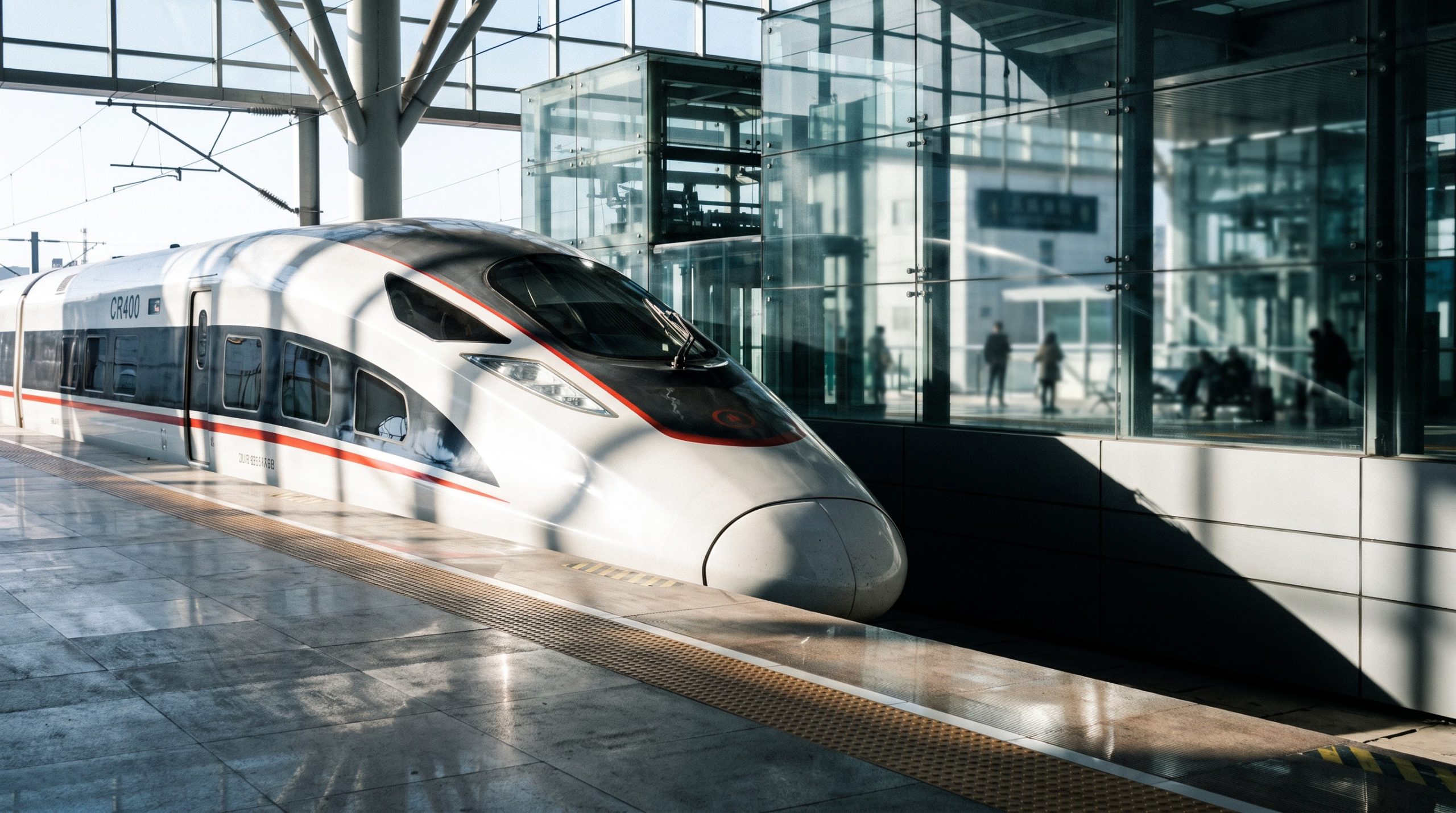
The Trains Reset Your Standards
350 km/h, silent, on time to the minute, with legroom airlines abandoned decades ago. I did an intercity hop that covered the distance of London-Edinburgh in under two hours, for less than a London airport transfer. After China, every other country’s rail feels like a museum exhibit.
The Gap Between Coverage and Reality
This is the part I keep coming back to as a filmmaker. The China in Western feeds and the China outside my hotel window overlap maybe 30%. The reality is more mundane, more futuristic, more friendly and more complicated all at once. I’m not here to make geopolitical points, I’m here because as a visual storyteller, the most under-documented modern country on Earth is an open goal.
Next up: the places here that genuinely don’t look real, and the practical guide I wish I’d had, payments, internet, drone rules and all.


